Impairment
Alcohol
Alcohol severely affect reaction times, information processing, and perception, and are a major factor in crashes on our roads. If you are in any doubt at all about being safe or legal to drive after drinking, don’t – it’s not worth it.
The alcohol limit for drivers for drivers aged under 20 is zero.
If you are aged 20 and over the limit is 250 micrograms of alcohol per litre of breath (mcg) / 50 milligrams of alcohol per 100 millilitres of blood (mg).
The law says you must not drive if the amount of alcohol in your blood or breath exceeds these limits.
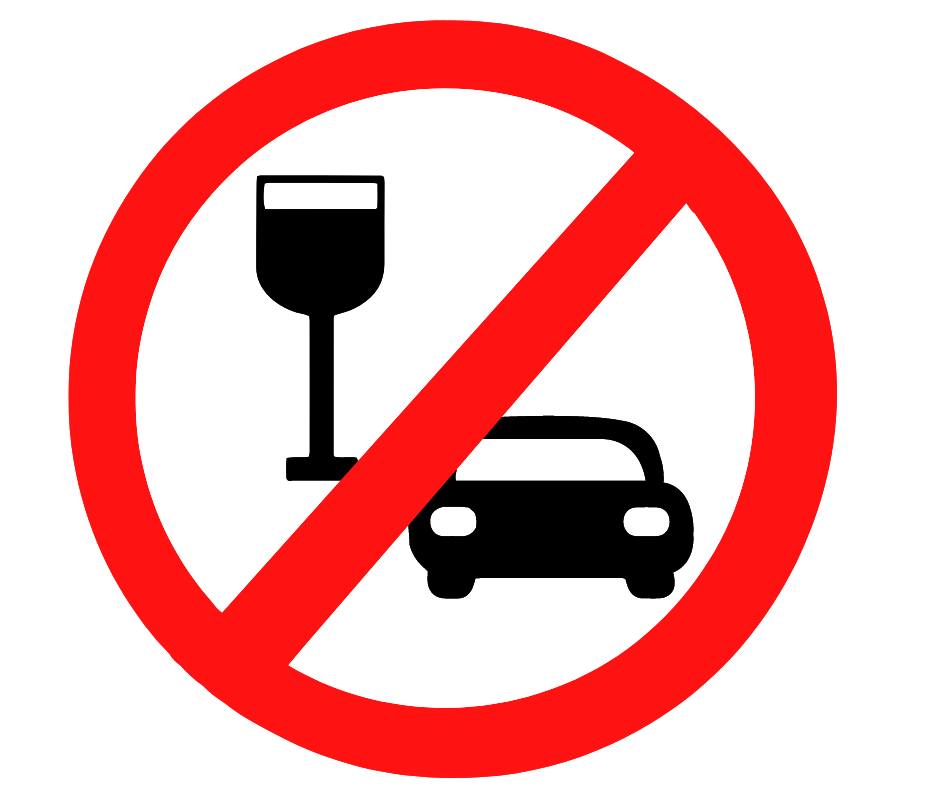
The number of alcoholic drinks you can have before you reach these limits depends on many factors, including whether you are male or female, your size and how much food you have eaten.
Even small amounts of alcohol can affect your driving, so if you drink at all, don’t drive.
- Think ahead - it’s always easier if you have a plan.
- Call a taxi or ride share.
- Take a bus or get someone who hasn’t been drinking to drive you home.
For more information, visit the NZTA website.
Illegal Drugs
Drugs are present in nearly a third of all fatal crashes on New Zealand roads. This is when a driver in a fatal crash is found to have drugs in their blood. The most frequently found drugs in road deaths and serious injuries are cannabis and methamphetamine.
Drugs affect how you take in and process information, they can slow down your reaction times, increase fatigue, and change perception of reality. Even if you feel in control, it's not safe for you to drive after you’ve taken drugs.
Police in New Zealand may conduct compulsory impairment tests (CITs) to assess a driver's condition, which can involve an eye assessment, a walk-and-turn assessment, and a one-leg stand test. Roadside drug testing will also be rolled out across the country soon.
The consequences of driving after taking drugs are serious and extend beyond losing your licence. It also can include criminal convictions, fines, job loss, and travel restrictions, as well as causing harm or fatality to other road users.
Prescription Medicine and Over-the-counter Drugs
Many medications, both prescription and over-the-counter, can cause dizziness, drowsiness, confusion, and other side effects that impair driving. Medications for anxiety and depression, nausea, allergies, epilepsy and heart conditions are likely to cause impairment, as are sleeping pills, strong painkillers, addiction treatments and anti-psychotics.
If you are prescribed a new medicine, talk to your GP or pharmacist about the likely impacts on driving. Never drink alcohol or take any illegal drugs with any of these medicines as the impairment effect can be up to 25 times greater by "mixing". Find out more about the risk of mixing substances on the NZTA website.
In the first 24-48 hours after taking a new medicine, or increasing the dosage of an existing medicine, monitor yourself closely for the following symptoms:
- feeling drowsy or sleepy
- dizziness or blurred vision
- headache
- feeling weak
- slowed reactions
- feeling sick or nauseous
- being easily confused or unable to focus or pay attention
- slurred speech or have trouble forming a sentence
- feeling wired and overconfident (those around you might notice this first).
If you experience these symptoms of impairment, don’t drive.
Fatigue
Lack of sleep, long shifts, and night duties can cause fatigue, which impairs decision-making and can lead to dangerous micro-sleeps while driving.
To avoid driver fatigue, share driving with another licensed driver, or take a 15-minute rest break or sleep every 2 hours.


